The Formulation Challenge This Category Creates
The US pet supplement and treat market is one of the fastest-growing segments in the animal nutrition industry. The market is valued between four and five billion dollars domestically, depending on how the category is defined, with digestive health products projected to grow at an 11.8% compound annual growth rate through 2031.
That growth creates a specific formulation challenge that is easy to underestimate.
Pet supplements and treats operate at the intersection of palatability, nutrient delivery, and regulatory compliance in a way that complete and balanced pet foods do not. A supplement that the animal refuses to eat delivers no benefit regardless of its formulation quality. A treat that is palatable but disrupts the digestive profile of the animal it is meant to support is counterproductive. And a product that makes structure-function claims unsupported by its ingredient list creates regulatory exposure under FDA CVM oversight and inconsistent state-level enforcement that is increasingly active across US markets.
Goat milk ingredients address the palatability and digestibility sides of that challenge in a single ingredient. Understanding where and how they fit, and where they do not, is what this article covers.
Why Palatability Is a Formulation Variable, Not a Marketing One
In the pet supplement category, voluntary compliance is the primary delivery mechanism. Unlike veterinary pharmaceuticals administered by a clinician, supplements and functional treats depend entirely on the animal choosing to consume them consistently over time. A dog or cat that refuses a supplement on day three of a thirty-day protocol has received less than 10% of the intended dose.
This makes palatability a primary formulation consideration, not a secondary one, and it is where goat milk ingredients contribute something that most functional bases do not.
Goat milk has a mild, slightly sweet flavor profile that is broadly accepted across both dogs and cats. In a soft chew or powder format, it contributes palatability without introducing the strong flavoring agents, liver powders, or artificial enhancers that some US pet supplement brands are actively moving away from in response to clean-label consumer pressure. For a formulator developing a product positioned around natural, transparent ingredients, goat milk’s palatability contribution is both functional and label-friendly.
In high-moisture formats, the palatability advantage works differently. Goat milk’s flavor profile encourages voluntary liquid consumption, which is particularly relevant in hydration-focused supplements and in cat-specific formats where the low thirst drive discussed in our feline formulation article makes moisture delivery a formulation objective in its own right.
Digestibility in Supplement Formats: Why It Matters More Here Than in Meal Formats
In a complete and balanced meal, digestive disruption from a single ingredient is partially buffered by the surrounding food matrix. In a supplement or functional treat consumed independently, there is no such buffer.
This means that the digestive profile of the ingredient base in a pet supplement is more consequential than in a standard meal format. An ingredient that causes loose stool, gas, or visible digestive discomfort in a supplement context damages compliance and trust far more quickly than the same ingredient embedded in a meal. Pet owners who see digestive disruption after giving a supplement will stop giving it. The supplement fails not because the active ingredient did not work, but because the base was not well tolerated.
Goat milk’s digestibility advantages in companion animals are covered in detail in our article on goat milk digestibility in sensitive pets. In the supplement context, the three relevant mechanisms are:
- A2 beta-casein: Unlike bovine milk, which typically contains a mix of A1 and A2 beta-casein variants, goat milk is predominantly A2. The A1 variant generates the peptide BCM-7 during digestion; the A2 variant does not. In a supplement context, where there is no surrounding food to buffer the response, that distinction is directly relevant to how the product is tolerated.
- Soft curd formation: Lower alphaS1-casein content produces a softer, more friable curd during gastric digestion, reducing the digestive workload in an ingredient consumed without the buffering effect of a full meal.
- Fat globule size: Smaller fat globules may reduce the digestive effort required for lipid breakdown. In higher-fat soft chew formats, this is a relevant consideration for sensitive animals.
The lactose variable also applies here. Standard Skimmed Goat Milk Powder contains approximately 46% lactose and Full Cream Goat Milk Powder approximately 33%. In most supplement applications, the inclusion level is low enough that this does not cause significant disruption in the majority of animals, but it is a factor to assess against the overall formula and the target animal profile. Where lactose load is a concern, the practical route is to move toward higher-protein formats: as protein concentration increases through filtration in Goat Whey Protein Concentrate and Goat Milk Protein Concentrate, lactose is progressively reduced.
Nutrient Density as a Formulation Lever
Pet supplement and treat formats are constrained by inclusion limits. A soft chew can only carry so much active ingredient before texture, palatability, or manufacturing processability is compromised. A powder supplement consumed at a fixed dose delivers a fixed nutrient load. This means that the nutrient density of every ingredient in the base matters.
Goat milk powder is not a low-nutrient filler. It contributes protein, fat, calcium, phosphorus, magnesium, and B vitamins alongside its palatability and digestibility profile. In a digestive health supplement, this means that the base ingredient is itself contributing nutritionally relevant content rather than simply carrying the active ingredient.
This is particularly relevant in digestive health formats, which represent the second-largest and fastest-growing segment of the US pet supplement market. A digestive health soft chew or powder that uses goat milk powder as part of its base is delivering A2 protein and a compositionally distinct fat fraction alongside whatever probiotic, prebiotic, or enzyme system it is designed around. The base is doing more work per gram than a neutral carrier would.
In treat formats where nutritional contribution is part of the product positioning, Full Cream Goat Milk Powder provides the full nutritional and palatability profile. In functional supplement formats where macronutrient control is tighter, Skimmed Goat Milk Powder reduces the fat contribution while retaining the protein composition advantages. In high-protein formats, Goat Milk Protein Concentrate (MPC 60 or MPC 80) delivers concentrated protein with progressive lactose reduction as concentration increases.
Format Considerations for US Pet Supplement and Treat Manufacturing
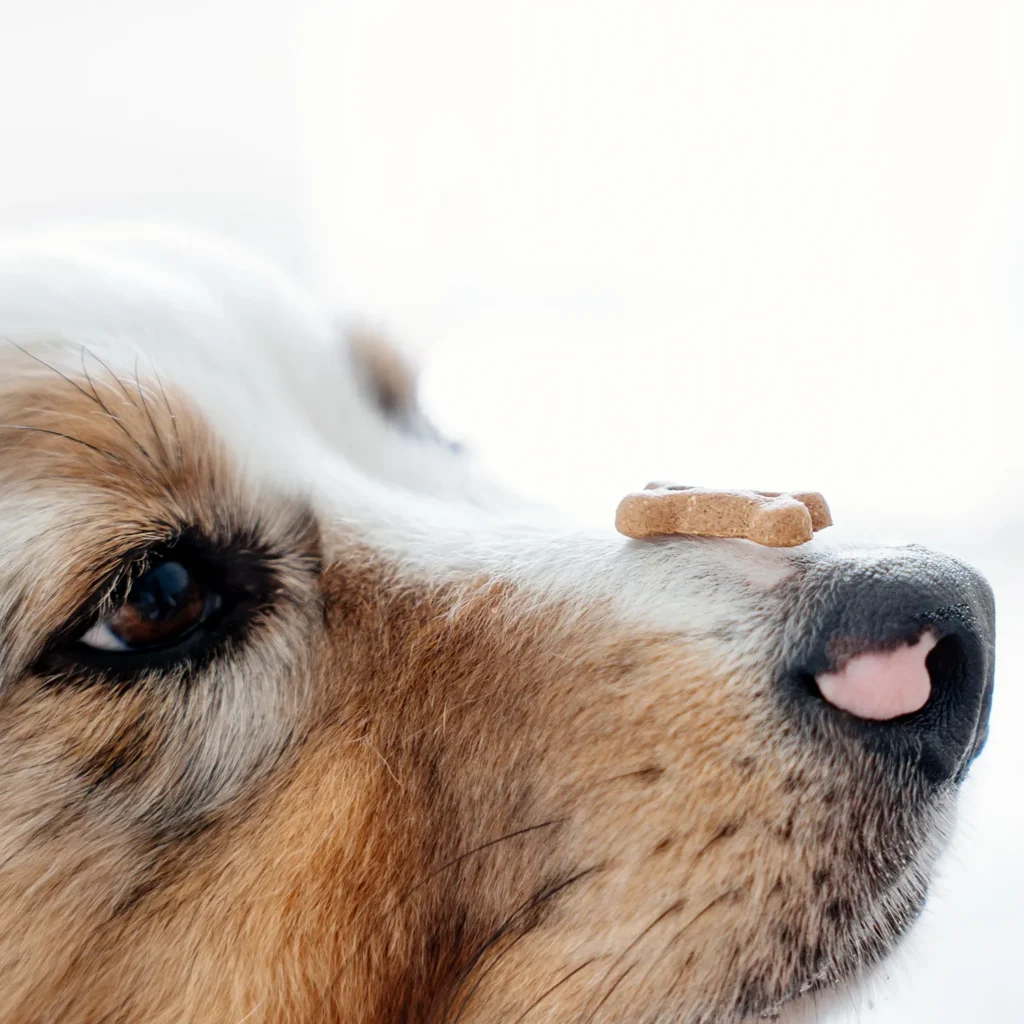
The dominant delivery format in the US pet supplement market is the soft chew, which accounted for approximately 70% of global supplement revenue in 2025. Powders are the second and fastest-growing format, driven by subscription brands that favor dosing flexibility. Treats in the functional sense sit across both categories depending on how they are positioned and labeled.
Goat milk ingredients have distinct behavior in each:
| Format | Goat Milk Ingredient | Formulation Consideration |
|---|---|---|
| Soft chew | Full Cream or Skimmed Goat Milk Powder | Contributes to moisture content, texture softness, and palatability. Assess lactose contribution against overall formula at target inclusion level. |
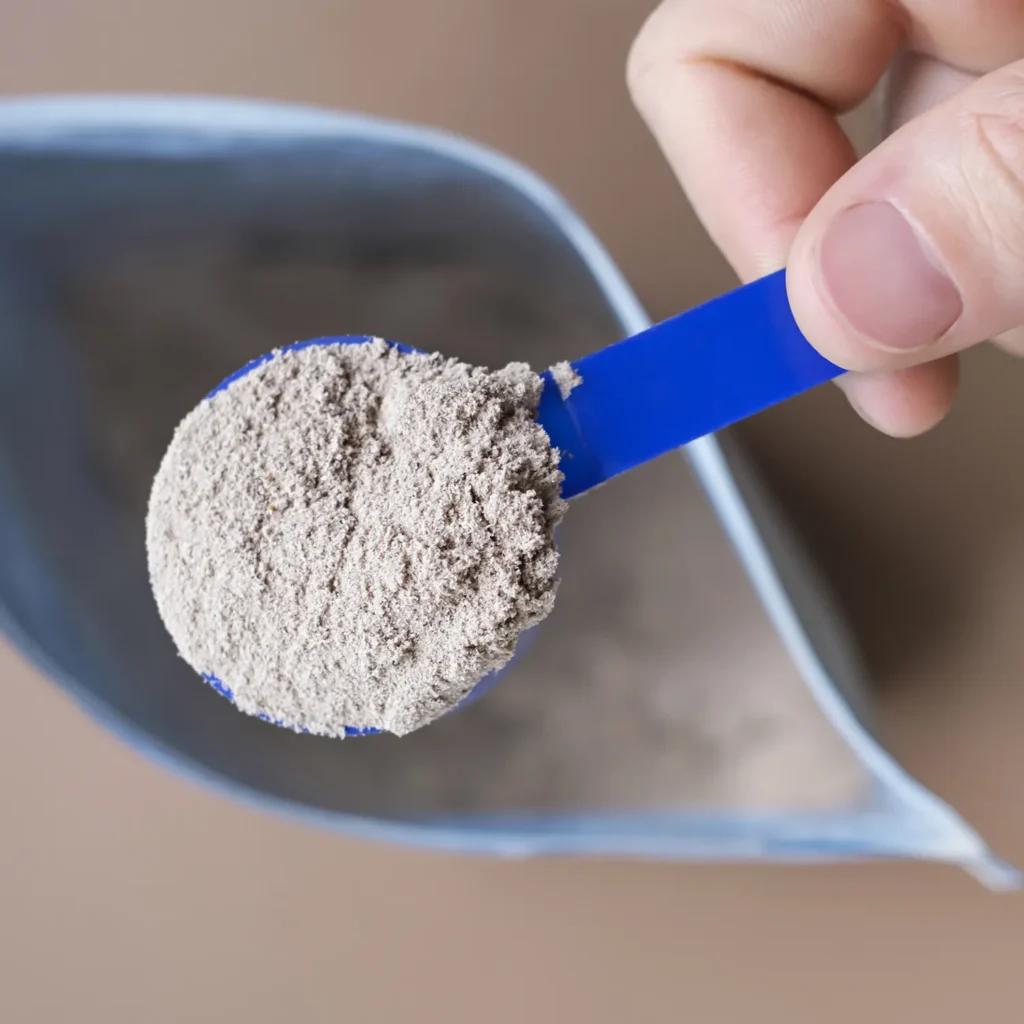
| Powder supplement | Skimmed Goat Milk Powder or Goat MPC | Provides palatable base that mixes well with water or food. Higher-protein formats offer progressive lactose reduction for sensitive animals. |
| Functional treat (baked/extruded) | Full Cream or Skimmed Goat Milk Powder | Both formats survive heat processing well and contribute to Maillard browning characteristics. Full Cream delivers the full fat and flavor contribution; Skimmed is appropriate where fat content needs to be managed. Assess moisture activity in the finished product regardless of format. |
| Liquid supplement / topper | Full Cream or Skimmed Goat Milk Powder (reconstituted) | Palatability drives voluntary consumption. Relevant in hydration-focused and senior pet supplement formats. Stability after reconstitution should be evaluated. |
| High-protein functional chew | Goat Milk Protein Concentrate (MPC 60 / MPC 80) | Concentrated protein contribution with independent fat control. Lower lactose relative to powder formats. Suited to muscle maintenance and recovery positioning. |
The US Regulatory Context: What Formulators Need to Know
US pet supplement and treat manufacturers are currently navigating one of the most complex regulatory environments the category has experienced. The FDA Center for Veterinary Medicine oversees federal regulation. AAFCO provides model regulations and ingredient definitions that guide label claims and state-level oversight. The National Animal Supplement Council (NASC) operates a voluntary quality seal program that is increasingly recognized by US retailers as a marker of compliance and responsible manufacturing.
The regulatory distinction between a treat and a supplement is not always clear-cut, and it has direct implications for labeling. Products marketed as treats are typically regulated as feed and must comply with feed requirements, including guaranteed analysis and approved feed ingredient lists. Products marketed as supplements face a different but equally complex set of expectations. AAFCO updated its model pet food labeling regulations in 2023, the first major revision in over forty years, adding requirements around standardized nutrition information and clear ingredient statements that affect both treats and supplements.
Goat milk powder is a recognized feed ingredient with an established compositional profile. Its use in US pet supplement and treat formulations does not introduce unusual regulatory complexity, provided it is accurately described in the ingredient statement and the product’s overall label claims are consistent with what the formulation can support. Where a product makes structure-function claims around digestive health, the ingredient list should reflect ingredients that plausibly contribute to that outcome. A goat milk powder base supports that coherence in a digestive health format in a way that a neutral carrier does not.
Manufacturers pursuing NASC certification should confirm goat milk powder’s status under their specific program requirements. The NASC Quality Seal requires documented quality standards, adverse event reporting capability, and regular facility audits.

Where Goat Milk Ingredients Do Not Solve the Problem
The three advantages, palatability, digestibility, and nutrient density, are genuine and formulation-relevant. But they do not apply equally in every supplement or treat context.
In active ingredient-dominant formats where the base is required to be neutral and the active ingredient provides all functional benefit, goat milk’s flavor profile may interact with the active ingredient in ways that require evaluation. Some probiotic and enzyme systems have specific stability requirements around moisture, fat, and temperature that need to be assessed against goat milk powder’s composition.
Goat milk does not provide taurine. In any supplement format targeted at cats or developed around feline-specific nutritional support, taurine must be independently confirmed through other ingredients or supplementation. This is a species-specific requirement that applies to every non-meat ingredient in a feline formula.
And in formats where the label needs to be as short as possible for positioning reasons, goat milk powder adds a named ingredient to the statement. This is most relevant in single-active-ingredient supplement formats, such as a standalone probiotic chew or a mono-ingredient fish oil treat, where the brand’s positioning is built around the fewest possible inputs. For those products, goat milk powder’s contribution to palatability and digestibility needs to be weighed against the ingredient count it adds to the panel.
Frequently Asked Questions
Can goat milk powder be used in pet supplement soft chews?
Yes. Goat milk powder contributes palatability, moisture, and nutritional content to soft chew formulations. Full Cream Goat Milk Powder is appropriate where the full nutritional and flavor profile is required. Skimmed Goat Milk Powder keeps the fat fraction lower while preserving the A2 casein and digestibility advantages. Inclusion level should be assessed against total lactose load and moisture activity in the finished product.
Why is digestibility important in pet supplement formulation?
Pet supplements are typically consumed independently rather than embedded in a meal. When an ingredient causes digestive disruption in that context, there is no surrounding food matrix to absorb or obscure the response. The animal’s owner sees the effect clearly and often stops the supplement. Goat milk’s A2 beta-casein profile, soft curd formation, and smaller fat globule size reduce that risk compared to standard bovine dairy bases, which matters directly for long-term compliance and product trust.
What is the lactose content of goat milk powder for pet supplements?
Goat milk powder is not lactose-free. Skimmed Goat Milk Powder runs at approximately 46% lactose; Full Cream sits closer to 33% because the higher fat fraction displaces a proportionally larger share of the lactose. At the inclusion levels typical in soft chew and powder supplement formats, most animals tolerate this without issue. Where a lower-lactose base is needed, Goat Whey Protein Concentrate and Goat Milk Protein Concentrate are the practical options: filtration progressively removes lactose as protein concentration rises.
How does goat milk powder perform in baked and extruded treat formats?
Full Cream Goat Milk Powder performs well in baked and extruded treat applications. It survives heat processing and contributes to Maillard browning characteristics that enhance flavor development. Moisture activity in the finished product should be assessed to confirm shelf stability, particularly in formats with higher inclusion levels.
How does goat milk powder compare to bovine milk powder in pet supplement formulation?
The primary compositional differences are in the casein profile and fat globule structure. Goat milk predominantly contains A2 beta-casein; bovine milk typically contains a mix of A1 and A2. Goat milk has lower alphaS1-casein content, producing a softer curd during digestion. Its fat globules are smaller, which may support more efficient lipid breakdown. In practice, goat milk powder tends to be better tolerated by sensitive animals and has a mild, slightly sweet taste that dogs and cats accept well. Bovine milk powder is more widely available and typically lower in cost. The formulation decision depends on whether the digestive and palatability advantages justify the ingredient switch for the specific product and target animal.
Does goat milk powder require NASC or AAFCO approval for use in US pet supplements?
Goat milk powder is a recognized feed ingredient with an established compositional profile. Its use in US pet supplement and treat formulations does not introduce unusual regulatory complexity. Manufacturers pursuing NASC certification should confirm ingredient status under their specific program requirements. AAFCO’s updated 2023 model regulations apply to labeling and claims rather than to the ingredient itself, but any structure-function claims made on product labels should be consistent with what the formulation can plausibly support.

Working with Goat Milk Ingredients for Pet Supplements and Treats
At The Milky Whey, we supply premium goat milk ingredients to pet supplement and treat manufacturers across the United States. Our ingredients are designed to perform consistently under commercial manufacturing conditions, including baking, extrusion, soft chew processing, and powder blending.
Our pet food and supplement ingredient portfolio includes Full Cream Goat Milk Powder, Skimmed Goat Milk Powder, and Goat Milk Protein Concentrates (MPC 60 and MPC 80), all produced from 100% goat milk with no carriers or additives and supported by batch-level Certificates of Analysis.
If you are developing a new pet supplement or functional treat, or evaluating goat milk ingredients for an existing formulation, contact our team to discuss your application, request a sample, or access technical documentation.