Why Cat Food Formulation Is Not Dog Food Formulation
It is a pattern that has caused problems across the industry for decades.
Cat food formulations derived from dog food frameworks, with protein adjusted upward and the rest left largely unchanged. The assumption being that cats and dogs are nutritionally similar enough that the same structural approach applies.
They are not. And the consequences of that assumption show up in the finished product.
Cats are obligate carnivores. That biological classification carries specific, non-negotiable nutritional consequences that shape every formulation decision, including which dairy ingredients are appropriate, at what inclusion level, and in what product format.
Understanding those constraints is the starting point for understanding where goat milk ingredients fit in feline-specific product development, and where they do not.
What Obligate Carnivore Biology Means for Formulation
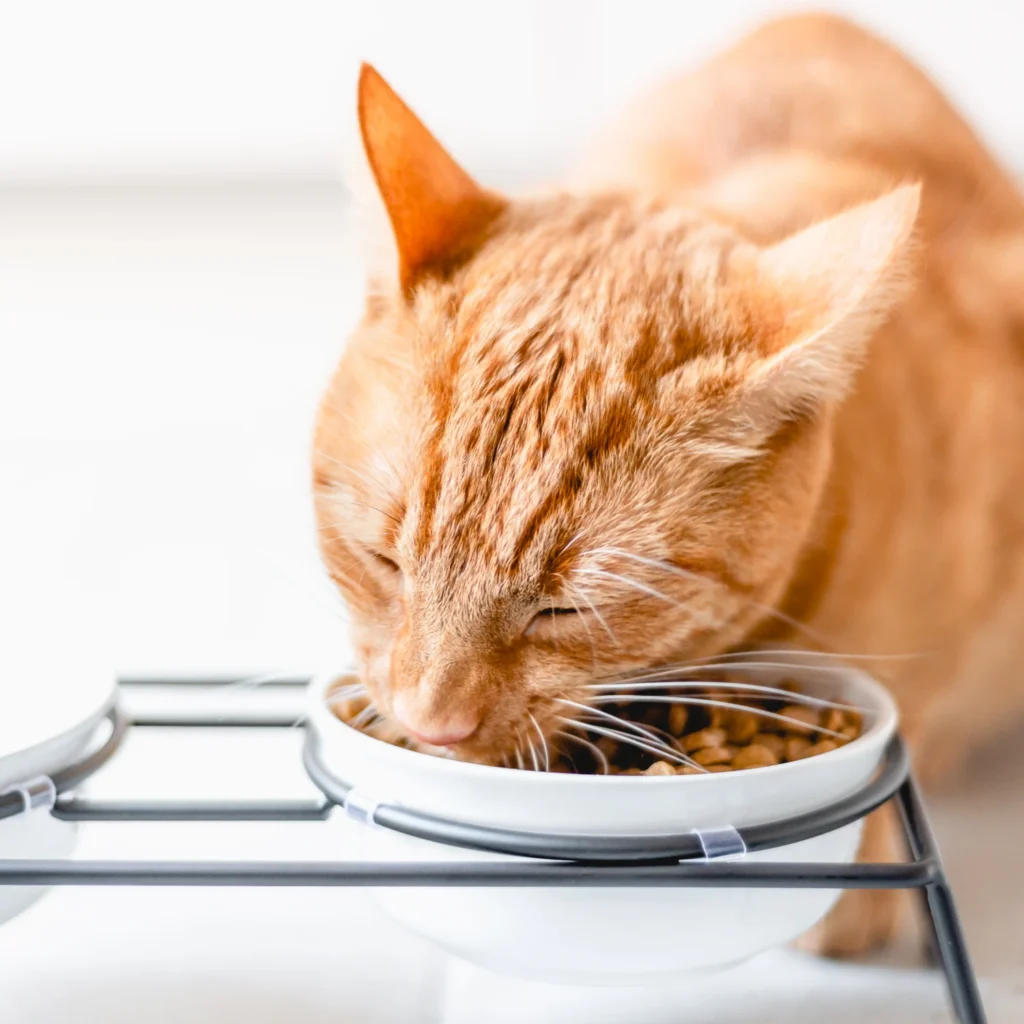
Cats evolved as hunters of small prey. Their metabolism reflects that history in ways that have direct implications for ingredient selection.
Protein requirements in cats are significantly higher than in dogs or humans. A complete adult cat diet typically contains 30 to 45% protein on a dry matter basis. More importantly, cats maintain a consistently high rate of protein oxidation and gluconeogenesis regardless of dietary protein intake. Unlike omnivores, they cannot downregulate protein catabolism when protein is restricted. A cat fed a low-protein diet does not adapt to using less protein. It draws on its own lean muscle mass instead.
Several nutrients essential to cats are found exclusively in animal tissue and cannot be synthesized from plant precursors. Taurine, required for cardiac function and retinal health, is the most commonly cited. Arachidonic acid, preformed Vitamin A (retinol rather than beta-carotene), and niacin are similarly non-negotiable in their animal-source form.
The formulation implication is clear: goat milk ingredients are not a protein source in the primary sense for cats. They are a complementary ingredient that sits alongside animal protein, not in place of it. Any formulation that positions goat milk as the primary protein contribution in a feline diet would be nutritionally incomplete.
Within those constraints, however, goat milk ingredients have specific and well-matched formulation roles to play, particularly around hydration, palatability, digestive tolerance, and life-stage nutrition.
The Hydration Gap: The Most Commercially Significant Application
Cats have a chronically low thirst drive. This is not a behavioral quirk. It is an evolutionary artifact of desert ancestry, where prey provided the majority of moisture intake and active drinking was rare.
In a domestic context fed predominantly on dry kibble, that low thirst drive becomes a clinical risk. Dry food contains approximately 8 to 10% moisture. The natural prey diet of a feral cat contains around 70% moisture. That gap does not close through voluntary water consumption in most cats. The result is a population-level pattern of chronic mild dehydration that contributes to urinary tract disease and, over time, to chronic kidney disease.
Chronic kidney disease affects an estimated 30% of cats over 12 years old. Wet renal diets now account for 65% of market share in feline kidney disease management, driven precisely by the recognition that dietary moisture is a primary intervention tool rather than a secondary consideration.
Goat milk ingredients address this gap from two directions.
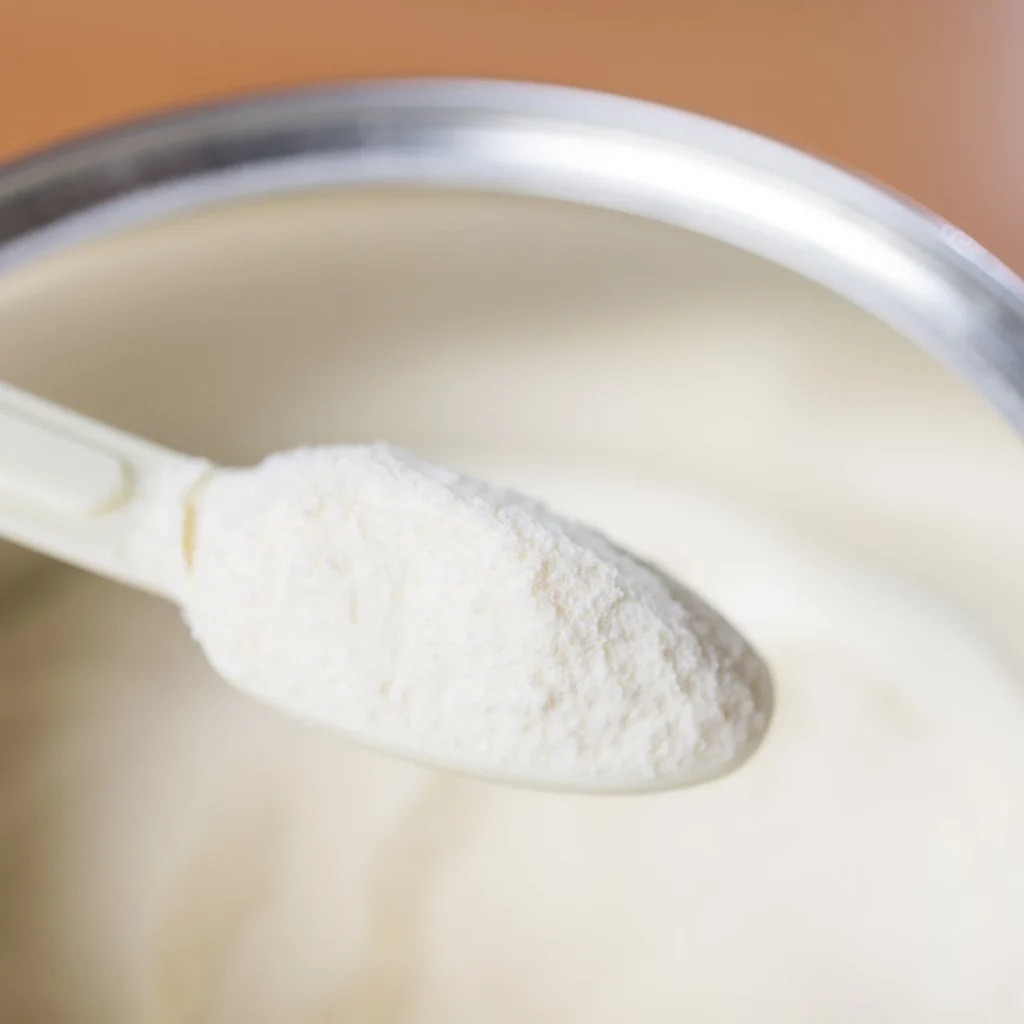
First, in liquid, reconstituted, or high-moisture formats, goat milk powder contributes directly to moisture content. A topper or broth format built on reconstituted Full Cream or Skimmed Goat Milk Powder increases the moisture load of a meal without requiring the cat to drink from a separate water source. For cats on dry-food-dominant diets, this is a formulation-level intervention with genuine clinical relevance.
Second, goat milk has documented palatability advantages in cats. Its mild, slightly sweet flavor profile is reported to be more acceptable to cats than plain water, which matters because a cat that voluntarily consumes a liquid topper is increasing its moisture intake in a way that involuntary water provision cannot achieve. Palatability is not a secondary concern in cat food formulation. In a species this neophobic and this sensitive to texture and temperature, it is often the primary barrier between a nutritionally adequate product and one the animal actually eats.
Digestive Tolerance and the Feline Protein Sensitivity Profile
Cats are not unusual in having sensitivity to bovine dairy protein, but the feline gastrointestinal system introduces a specific constraint that makes protein structure more consequential here than in canine formulation.
Cats have a relatively short digestive tract compared to omnivores. A denser, slower-digesting curd from bovine dairy protein places a proportionally larger demand on a system with less time and length to complete the breakdown. In practical terms, what a dog tolerates without issue can present as digestive irregularity in a cat at the same inclusion level.
Goat milk is compositionally distinct from bovine milk in ways that directly address this. It predominantly contains A2 beta-casein, which does not generate the peptide BCM-7 during digestion. It contains lower levels of alphaS1-casein, producing a softer, more friable curd that is better suited to feline digestive transit times. And its fat globules are smaller, which may reduce the digestive effort required for lipid breakdown. These three mechanisms are covered in detail in our article on goat milk digestibility in sensitive pets. In a feline context, the curd formation argument carries the most weight.
The lactose caveat applies here as it does in canine formulation. Goat milk is not lactose-free. Adult cats produce limited quantities of lactase, and inclusion levels need to reflect that. Standard Skimmed Goat Milk Powder contains approximately 46% lactose, while Full Cream Goat Milk Powder is closer to 33% due to the higher fat fraction. For products where lactose load needs to be minimized, the higher-protein formats are the practical route: as protein concentration increases through filtration in Goat Whey Protein Concentrate and Goat Milk Protein Concentrate, lactose is progressively reduced. The higher the protein content, the lower the lactose. Alternatively, end users can manage residual lactose through lactase addition at the product level. Inclusion level management remains the most straightforward tool available within standard bulk ingredient formats.
Life Stage Considerations: Kittens, Adults, and Seniors
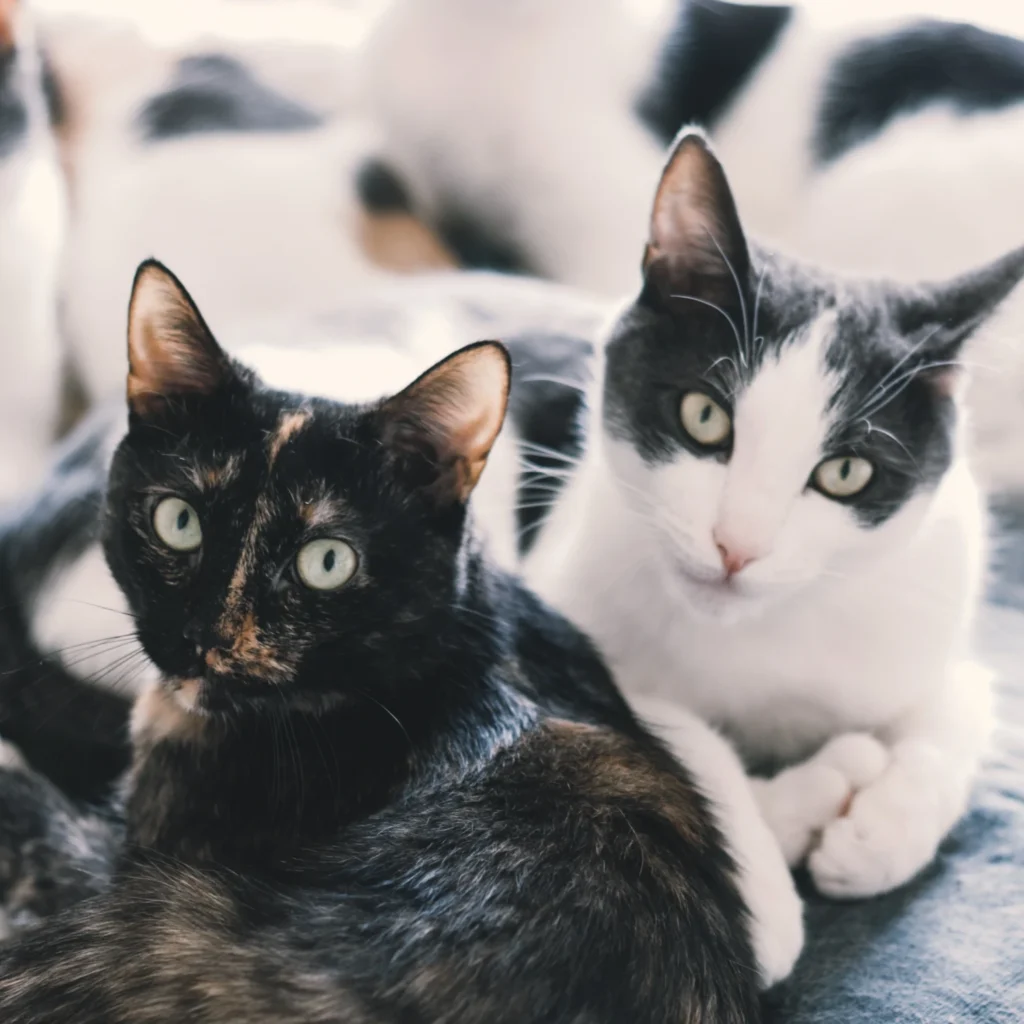
Feline life stage requirements shift more dramatically than those of most companion animals, and goat milk ingredients have a different formulation role at each stage.
Kittens. The primary application is milk replacer formulation. Kittens that are orphaned, rejected, or supplementally fed require a milk replacer that approximates the composition of queen’s milk as closely as possible. Queen’s milk is high in protein, high in fat, and relatively low in lactose compared to bovine milk. Goat milk, particularly Full Cream Goat Milk Powder, provides a closer compositional match to queen’s milk than bovine milk powder in several key parameters, including fat globule structure and casein profile. It does not replicate queen’s milk exactly and purpose-formulated kitten milk replacers require additional supplementation, but as a base ingredient it offers meaningful advantages over bovine alternatives.
Adult cats. The primary application is moisture delivery and palatability enhancement across toppers, palatants, wet food inclusions, and complementary feeding formats. Inclusion levels need to be calibrated against the overall macronutrient profile to ensure the dairy contribution does not displace the animal protein fraction that feline nutrition requires. Skimmed Goat Milk Powder is particularly useful here, allowing the palatability and digestibility advantages to be incorporated without materially altering the fat profile of the finished product.
Senior cats. The senior feline category is where the formulation opportunity is most commercially significant. Reduced appetite, decreased gastric motility, increasing prevalence of kidney disease, and heightened sensitivity to dietary change all converge in older cats. Goat milk ingredients address several of these simultaneously: moisture content supports kidney function and hydration, the soft curd formation is appropriate for reduced gastric motility, and the mild flavor profile is more likely to be accepted by a cat whose appetite and food interest has declined. In renal support formulations specifically, phosphorus management is a critical constraint. Goat milk protein contributes high-quality protein with a relatively favorable phosphorus profile compared to some meat meal alternatives, which gives formulators more flexibility in hitting protein targets without breaching phosphorus limits. Goat Milk Protein Concentrate can support lean muscle maintenance in senior formulations where protein quality, phosphorus control, and digestibility are being optimized alongside moisture and palatability.
Product Formats and Where Goat Milk Fits
| Product Format | Goat Milk Ingredient | Primary Formulation Role |
|---|---|---|
| Wet topper / broth | Full Cream Goat Milk Powder, Skimmed Goat Milk Powder | Moisture delivery, palatability enhancement, digestive tolerance |
| Kitten milk replacer | Full Cream Goat Milk Powder | Compositional proxy for queen’s milk; fat and casein profile |
| Dry kibble palatant | Skimmed Goat Milk Powder | Surface flavor delivery; acceptance improvement without fat load |
| Senior functional format | Goat Milk Protein Concentrate (MPC 60 / MPC 80) | High-quality protein density; muscle maintenance; digestibility |
| Sensitive digestion wet food | Skimmed Goat Milk Powder or Goat MPC (managed inclusion) | A2 casein profile; soft curd formation; lactose managed via protein concentration or inclusion level |
Where Goat Milk Does Not Fit in Feline Formulation
The constraints are important to state clearly.
Goat milk ingredients do not provide taurine. In a cat food context, this means that any formulation incorporating goat milk must independently confirm taurine adequacy through the animal protein fraction or supplementation. This is not a criticism of the ingredient. It is a feline-specific nutritional requirement that applies to every non-meat ingredient in the formulation.
Goat milk should not be positioned as a primary protein source in a complete and balanced feline diet. Cats require animal-source protein at a level and completeness that dairy ingredients alone cannot deliver. The role of goat milk in cat food formulation is complementary, not foundational.
In high-protein functional formats where macronutrient density is tightly controlled, the inclusion of any dairy ingredient needs to be evaluated against the overall protein and fat targets. Goat Milk Protein Concentrate is more appropriate than Full Cream Goat Milk Powder in those applications, as it allows protein contribution to be maximized while keeping fat addition to a minimum.
And in cats with confirmed broad dairy protein sensitivity rather than a specific reaction to A1 beta-casein or bovine casein fractions, switching to goat milk protein may not resolve the reaction. The casein profiles are different, not absent.
Frequently Asked Questions
Can goat milk be used in cat food formulation?
Yes. Goat milk ingredients are used in cat food across wet toppers, broths, palatants, kitten milk replacers, and senior functional formats. The key formulation constraint is that cats are obligate carnivores with specific requirements for animal-source nutrients, particularly taurine, that goat milk does not supply. Goat milk is a complementary ingredient that supports the animal protein fraction, not a substitute for it.
What inclusion level is appropriate for goat milk powder in cat food?
Inclusion level depends on the product format and the primary formulation objective. In wet toppers and broths, Full Cream or Skimmed Goat Milk Powder is typically used at levels that deliver meaningful moisture and palatability contribution without displacing the animal protein fraction. In dry kibble palatant applications, lower inclusion levels are standard. In kitten milk replacer or senior functional formats, the appropriate range is shaped by the overall macronutrient targets of the finished diet. Specific inclusion guidance based on your format and targets is best discussed directly with our technical team.
What is the best goat milk ingredient for kitten milk replacer?
Full Cream Goat Milk Powder is the most appropriate starting point for kitten milk replacer formulation. Its fat profile, casein composition, and fat globule structure are a closer match to queen’s milk than bovine milk powder in several key parameters. Kitten milk replacers require additional supplementation beyond any base dairy ingredient, including taurine and other feline-specific nutrients, so goat milk powder functions as a foundation rather than a complete formula.
How does goat milk differ from cow milk in cat food applications?
Goat milk predominantly contains A2 beta-casein rather than the A1/A2 mix common in bovine milk, which means it does not generate the peptide BCM-7 during digestion. It also has a lower alphaS1-casein content, resulting in a softer curd that is better suited to feline digestive transit times. Both differences are relevant to digestive tolerance in cats, whose short digestive tract and limited dairy enzyme activity make protein structure more consequential than in omnivores.
Which goat milk format is best for senior cat formulations?
Senior cat formulations typically require a combination of moisture support, digestibility, and protein quality. Skimmed Goat Milk Powder in a wet or broth format addresses the moisture and digestibility requirements. Where lean muscle maintenance and protein density are the primary objectives, Goat Milk Protein Concentrate (MPC 60 or MPC 80) provides a more concentrated protein contribution with independent fat control.
Working with Goat Milk Ingredients for Cat Food
At The Milky Whey, we supply premium goat milk ingredients designed to perform consistently under commercial manufacturing conditions.
Our pet food ingredient portfolio includes Full Cream Goat Milk Powder, Skimmed Goat Milk Powder, and Goat Milk Protein Concentrates (MPC 60 and MPC 80), all produced from 100% goat milk with no carriers or additives and supported by batch-level Certificates of Analysis.
If you are developing a feline-specific product or evaluating goat milk ingredients for a cat food reformulation project, contact our team to discuss your application, request a sample, or access technical documentation.