When Fat Is the Problem Nobody Diagnosed
A product meets every nutritional specification. Processing runs without issues. Early shelf-life checks look fine.
Then something shifts.
The delivery loses persistence. The product passes technical review but does not quite perform the way the formulation suggested it would.
In many cases, the fat system is the variable that was never fully examined.
Fat is frequently treated as a passive ingredient. It hits a percentage target, supports a claim, and stays out of the way. But in practice, fat is doing structural work throughout the formulation: influencing how flavor compounds are carried and released, how the system behaves under heat and shear, and how the product feels from first contact through to aftertaste.
When the fat system is not well matched to the application, those effects show up in the eating experience, even when the nutrition panel looks exactly right.
What Anhydrous Goat Milk Fat Is
Anhydrous Goat Milk Fat (AGMF) is produced by removing water and non-fat solids from goat milk, yielding a product that is approximately 99.8% milk fat. Because protein, lactose, and other dairy solids have been separated out, AGMF allows fat functionality to be incorporated independently from those components.
This matters for formulation control. When fat needs to be adjusted without affecting protein or solids levels, concentrated fat formats give developers options that whole milk ingredients do not.
AGMF is supplied as a shelf-stable fat that is consistent across batches and suitable for commercial manufacturing conditions across multiple categories. It sits within the broader Butter and Fats category alongside bovine anhydrous milk fat and butter oil, but its fatty acid composition sets it apart functionally.
Why Composition Matters More Than Fat Percentage
Two formulations can contain identical fat levels and still behave very differently in food applications.
This is one of the most common misconceptions in fat system design. Performance is influenced not only by how much fat is present, but by the composition of that fat and how it interacts with the surrounding matrix. Fat percentage is a starting point. Fat composition is what actually determines functionality.
This distinction is particularly relevant when evaluating goat milk fat alongside bovine alternatives.
Why Goat Milk Fat Behaves Differently
The compositional difference between goat milk fat and bovine anhydrous milk fat is relevant to how each performs in a formulation.
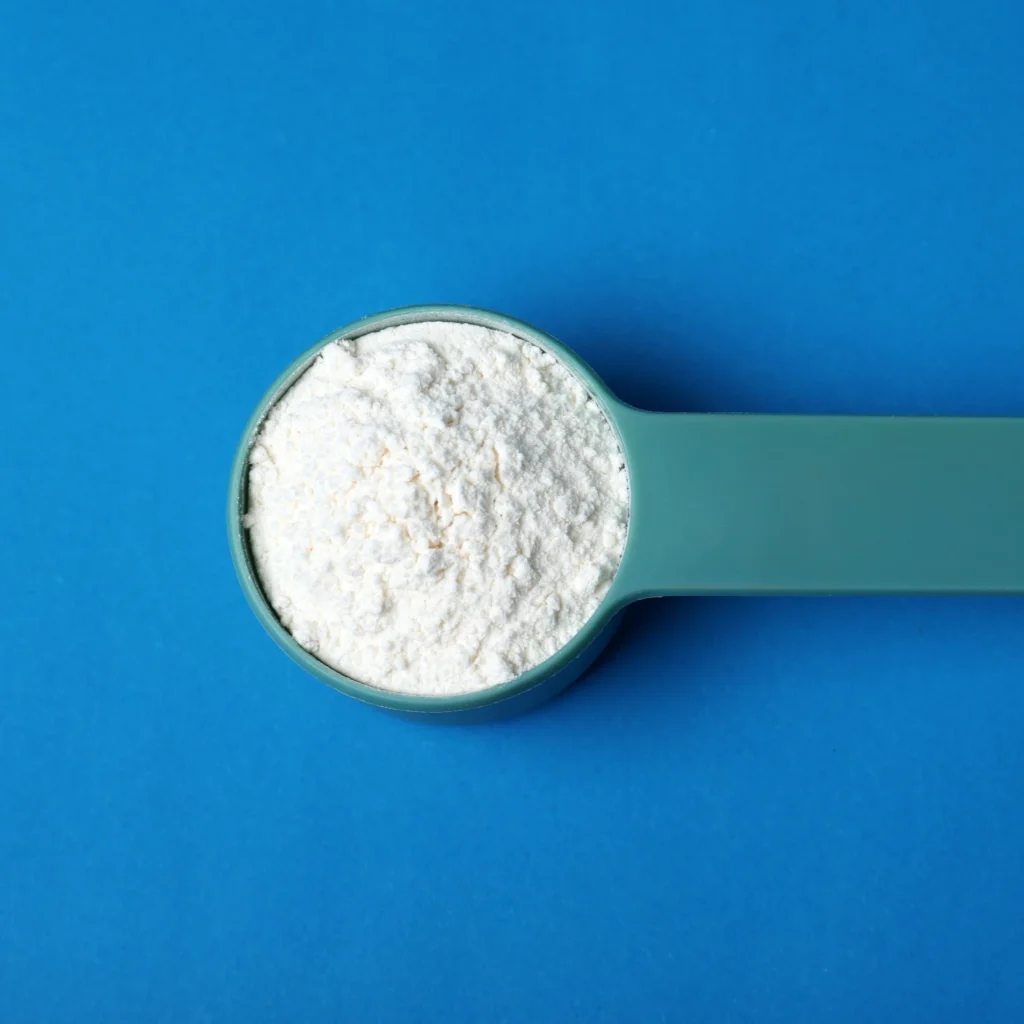
Goat milk fat contains a higher proportion of medium-chain fatty acids (MCFAs), particularly caprylic acid (C8), capric acid (C10), and caproic acid (C6), compared to bovine milk fat. These fatty acids contribute to a generally lower overall melting point in goat milk fat compared to bovine, and are associated with faster flavor release and a distinct dairy character that can range from clean and mild to more pronounced depending on processing conditions and inclusion level.
The practical implications vary by application:
- In confectionery, the lower melting point of goat milk fat can influence melt behavior and snap characteristics, which requires evaluation against the specific fat blend being used.
- In frozen desserts, the MCFA profile contributes to flavor release at lower temperatures, which can affect how the product is perceived during consumption.
- In high-fat nutritional formats, the concentrated MCFA content changes how the fat fraction behaves during digestion and energy metabolism, which some product categories use as a positioning consideration.
These are not universal advantages. They are compositional characteristics that need to be evaluated within the context of a specific food application. The value of understanding them is that they allow developers to make deliberate choices rather than treating fat as a generic variable. Across food applications, getting that distinction right early is what separates controlled development from extended reformulation cycles.
Where Fat Functionality Is Often Underestimated
There are two common points in development where fat decisions create downstream formulation challenges.
The first is early fat reduction. When teams reduce fat levels during early reformulation, either to hit a nutrition target or to reduce cost, the secondary effects are not always immediately visible. Emulsion stability may drift over shelf life rather than failing at bench scale. Mouthfeel changes that were acceptable in a short-term trial become more noticeable after distribution. Flavor delivery that was adequate in fresh product weakens once the system has aged.
Starting from a full-fat baseline and adjusting from there gives more control over where those effects appear and how to manage them. This is one of the reasons Full Cream Goat Milk Powder is often used as the starting point in goat milk reformulations before fat optimization begins.
The second is treating fat substitution as a straightforward swap. Replacing one fat source with another at the same inclusion level rarely produces an identical outcome. Fat composition, crystallization behavior, and interactions with the surrounding matrix all influence final product performance. AGMF introduces a distinct fatty acid profile that will behave differently from bovine anhydrous milk fat or blended vegetable fat systems, particularly in applications where melt behavior and flavor release are important.
A common example of this plays out in high-fat RTD beverages. A formulation using bovine anhydrous milk fat is transitioned to AGMF at the same inclusion level. Bench trials hold. Flavor and viscosity are within spec. After UHT treatment and 60 days of ambient storage, fat separation becomes visible and flavor intensity has dropped. The root cause is rarely inclusion level. It is that the MCFA-rich fraction in goat milk fat interacts differently with the emulsifier system, and the stabiliser package that was calibrated for bovine fat is no longer performing the same role. Identifying that mismatch at bench scale, before committing to a production run, is where early compositional understanding pays off directly.
Recognising these differences before scale-up reduces the iteration required to reach a stable, consistent product. For teams switching from cow milk to goat milk ingredients more broadly, the same principle applies across the full system, as covered in more detail in our guide to reformulating from cow milk to goat milk.

Formulation Considerations by Application
Dairy and cultured products. One of the recurring challenges in premium cultured product development is increasing richness without simultaneously increasing protein, lactose, or total dairy solids. AGMF allows fat content to be set independently from those components, giving developers control over texture and mouthfeel without shifting the nutritional or solids profile. This is particularly useful in premium yogurt, specialty dairy beverages, and cultured product development where fat level and composition need to move independently of other parameters.
Ice cream and frozen desserts. Fat system design is central to frozen dessert quality. AGMF contributes to creaminess, flavor delivery, and melt behavior. The MCFA profile can influence how flavor is perceived at frozen temperatures. As with any fat source in this category, interaction with emulsifiers and stabilisers needs to be evaluated during development.
Confectionery and chocolate. In applications where melt properties and flavor release are closely managed, fat composition has a direct effect on eating experience. AGMF can be incorporated as part of a blended fat system. Its crystallization behavior should be assessed alongside other fats in the blend, particularly where tempering or controlled solidification is part of the process.
Bakery and nutrition. In baked goods, fat contributes to tenderness, moisture retention, and flavor persistence. In nutritional formats, AGMF provides a concentrated dairy fat source that can be used where formulation flexibility or ingredient differentiation is part of the product brief.
Where AGMF Does Not Solve the Problem
AGMF addresses fat system gaps. It does not resolve challenges that sit elsewhere in the formulation.
If viscosity loss in a high-protein system is being driven by a weak protein network rather than insufficient fat, adjusting the fat source will not correct it. That is a structural issue, and it typically requires attention to protein type, hydration conditions, or processing parameters rather than fat composition. Similarly, if emulsion instability is linked to mineral imbalance or inadequate emulsifier selection, AGMF will not compensate for those gaps.
Fat crystallization behavior also needs independent assessment in any blended fat system. AGMF has a different crystallization profile from bovine anhydrous milk fat and palm-based fats. In confectionery applications where polymorphic form matters, that compatibility needs to be confirmed through application testing rather than assumed from composition data alone.
The ingredient performs well when it is solving the right problem. Identifying that clearly before development begins is what determines whether it shortens or complicates the formulation process.
Choosing the Right Fat Format
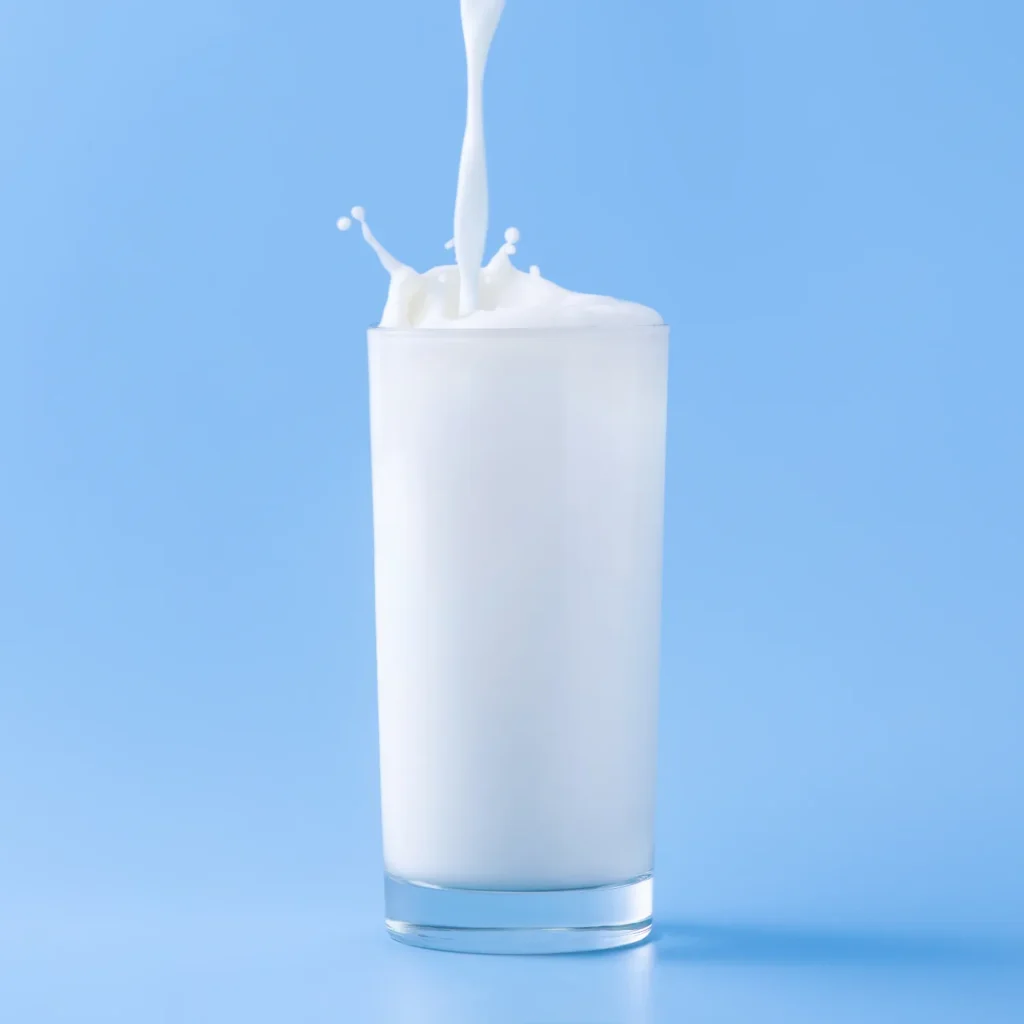
The decision to use AGMF, Full Cream Goat Milk Powder, or Skimmed Goat Milk Powder with a separate fat source is a formulation decision, not a sourcing one.
AGMF is the appropriate format when fat needs to be introduced without the protein, lactose, or dairy solids that come with whole or skimmed milk powder. It is also the right choice when fat level and composition need to be controlled independently of other nutritional parameters.
Where fat and dairy solids are both required, Full Cream Goat Milk Powder may be a more efficient starting point. Where fat control and lean dairy protein are the priority, Skimmed Goat Milk Powder paired with a targeted fat source gives more flexibility. In higher-protein formats where structural performance matters alongside fat, Goat Milk Protein Concentrates (MPC 60 and MPC 80) can be used alongside AGMF to give independent control over both the fat and protein contributions.
Getting the format right early reduces reformulation cycles and improves consistency across development, processing, and shelf life.
Frequently Asked Questions
What are the benefits of anhydrous goat milk fat?
AGMF allows formulators to introduce concentrated dairy fat into food applications without adding protein, lactose, or additional dairy solids. Depending on the application, it can support flavor delivery, mouthfeel, fat system design, and formulation flexibility, while giving developers independent control over fat content and composition.
What is anhydrous goat milk fat?
Anhydrous Goat Milk Fat (AGMF) is a concentrated dairy fat ingredient produced by removing water and non-fat solids from goat milk. The result is approximately 99.8% milk fat, free from protein, lactose, and other dairy solids.
How does goat milk fat differ from cow milk fat?
Goat milk fat contains a higher concentration of medium-chain fatty acids, particularly caprylic, capric, and caproic acids, compared to bovine milk fat. This affects melting point, flavor release characteristics, and how the fat fraction interacts with other ingredients during processing.
What is AGMF used for in food manufacturing?
AGMF is used across dairy, frozen desserts, confectionery, bakery, and nutritional product development. It allows fat to be incorporated as an independent formulation variable, without introducing protein or dairy solids from whole milk formats.
When should a formulator use AGMF rather than goat milk powder?
AGMF is the right choice when fat level or composition needs to be controlled independently from protein and dairy solids. Where both fat and dairy solids are required together, goat milk powder formats are typically more efficient.

Working with Anhydrous Goat Milk Fat
At The Milky Whey, we supply spray-dried goat milk ingredients designed to perform consistently under real manufacturing conditions.
Our ingredient portfolio includes Anhydrous Goat Milk Fat, Full Cream Goat Milk Powder, Skimmed Goat Milk Powder, and Goat Milk Protein Concentrates, all produced from 100% goat milk with no carriers or additives, and supported by batch-level Certificates of Analysis.
If you are developing a new product or evaluating AGMF for a reformulation project, contact our team to discuss your application, request a sample, or access technical documentation