The beauty and personal care industry is undergoing a transformation. Consumers now expect products to be effective, natural, and transparent. Goat milk, long recognized for its nutritional value, has emerged as a high-performance ingredient for cosmetics. Its hydrating, soothing, and skin-restoring properties allow brands to create products that deliver visible results while aligning with clean beauty trends.
This blog explores why goat milk is changing the beauty industry, shares best practices for cosmetics brands, and highlights key sourcing considerations to ensure your products stand out.
Why Goat Milk Stands Out in Beauty Formulations
Goat milk is more than a natural story. It is a bioactive ingredient with scientifically supported benefits. Its composition supports hydration, barrier repair, and gentle exfoliation, making it ideal for sensitive, dry, or aging skin.
Key skin-benefiting components include:
- Lactic acid (AHA): Gently exfoliates, promotes cell turnover, and brightens the skin (Rothstein et al., 2015).
- Small-chain triglycerides and fatty acids: Strengthen the skin barrier and lock in long-lasting moisture.
- Vitamins A and C: Support collagen production, improve firmness, and protect against oxidative damage.
- Minerals like calcium, selenium, and magnesium: Maintain skin health and resilience to environmental stressors.
- Bioavailable peptides and proteins: Absorb efficiently and help soothe reactive or compromised skin.
This multifunctional profile allows brands to offer hydration, exfoliation, and visible anti-aging effects in a single hero ingredient.

Consumer Trends Driving Goat Milk’s Popularity
Modern beauty consumers are ingredient-focused and results-driven. Market research shows that:
- 68% of U.S. consumers actively seek beauty products with natural ingredients (Mintel, 2024).
- Sensitive-skin and barrier-repair claims are among the fastest-growing in global facial care launches.
- Ingredient transparency and sustainability are increasingly driving purchase decisions, particularly among Gen Z and Millennials.
Goat milk aligns with these trends because it is:
- Naturally gentle and low-allergen: Its protein structure is often better tolerated by sensitive skin than bovine milk (Haenlein, 2004).
- Multifunctional: Provides hydration, barrier support, and mild exfoliation.
- Perceived as more sustainable: Goats require less feed, water, and land than cows, contributing to a smaller environmental footprint (Gerber et al., 2013).
For cosmetics brands, goat milk represents an ingredient with both marketing appeal and functional credibility.
Best Practices for Formulating with Goat Milk
Successfully formulating with goat milk involves balancing efficacy, stability, and consumer expectations. Follow these five best practices:
1. Select the Right Goat Milk Format
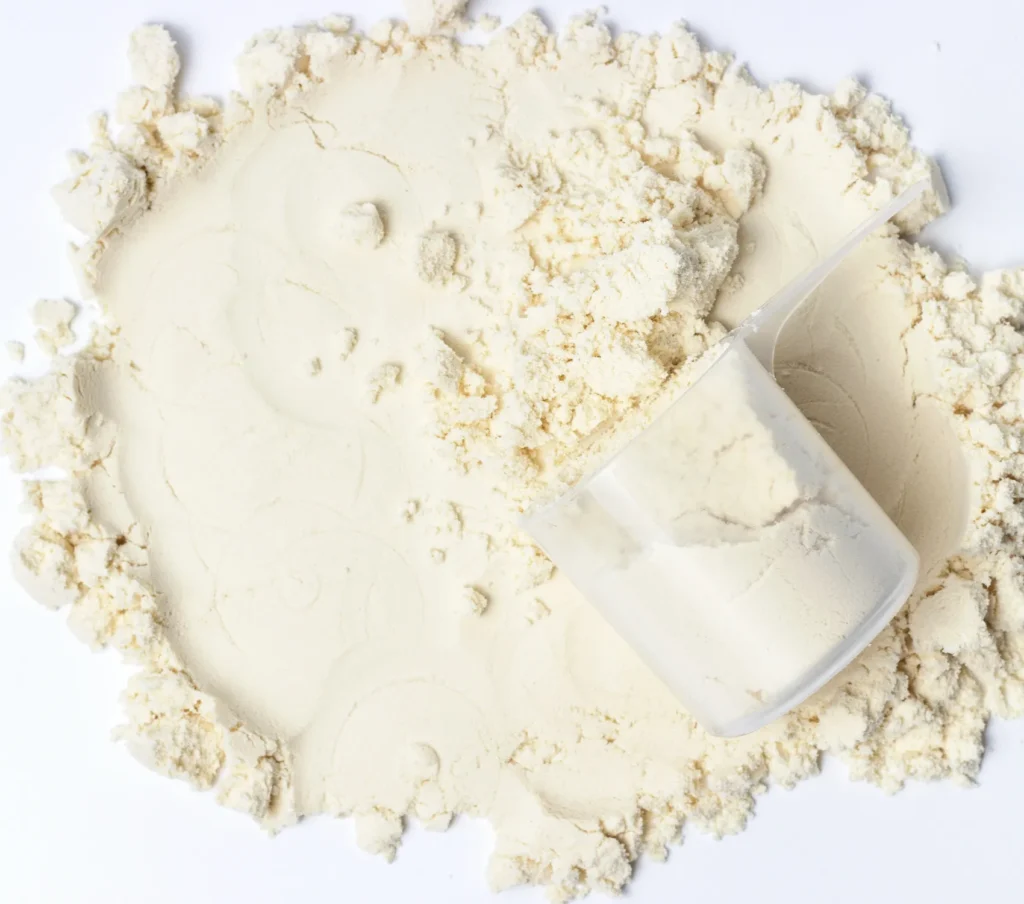
All of The Milky Whey’s goat milk offerings are spray-dried powders, which offer excellent shelf life, consistency, and stability. These powders can be rehydrated as needed for various applications:
- Goat Milk Powder (dry): Ideal for bar soaps, masks, powdered treatments, and dry-format products.
- Rehydrated Goat Milk Powder: Commonly used in creams, lotions, and emulsions to deliver richness and moisture.
- Concentrated Protein Fractions (powdered): Enhance functionality and support targeted claims such as “nourishing,” “firming,” and “restorative.”
Tip: Choose your format based on desired texture, stability requirements, and the types of claims you plan to make.
2. Design for Sensitive Skin and Barrier Support
Consumers choose goat milk for its gentle profile. To protect that perception:
- Avoid harsh surfactants or strong actives that can overshadow its soothing benefits.
- Highlight hypoallergenic and sensitive-skin suitability in your product positioning.
- Combine goat milk with humectants like glycerin or hyaluronic acid for layered hydration.
3. Leverage Goat Milk’s Lactic Acid for Gentle Exfoliation
Lactic acid, a naturally occurring AHA in goat milk, supports:
- Brightening and texture refinement with minimal irritation.
- Formulation opportunities for masks, scrubs, and leave-on treatments.
- Marketable “gently resurfacing” claims rather than aggressive exfoliation.
Pairing goat milk with hydrating co-ingredients prevents over-drying and enhances skin comfort.
4. Ensure Stability and Safety
All goat milk powders from The Milky Whey are spray-dried, offering excellent shelf stability. We perform microbial analysis on every lot, and each order includes a certificate of analysis (COA) detailing these results. While formulators may conduct their own additional testing, this provides a trusted foundation.
Best practices include:
- Using spray-dried powders for extended shelf life and consistent performance.
- Incorporating broad-spectrum preservatives appropriate for protein-containing formulas.
- Running accelerated and real-time stability testing prior to launch.
Pro Tip: Maintain a balanced pH to support both product longevity and skin compatibility.
5. Tell a Science-Backed Ingredient Story
Ingredient storytelling is a powerful marketing tool:
- Emphasize goat milk’s natural origin and multifunctional benefits.
- Highlight its role in hydration, exfoliation, and skin barrier support.
- Support claims with authentic, research-backed statements to elevate credibility.
This approach strengthens consumer trust and positions your brand as a leader in functional, natural skincare.
Cosmetic Applications for Goat Milk
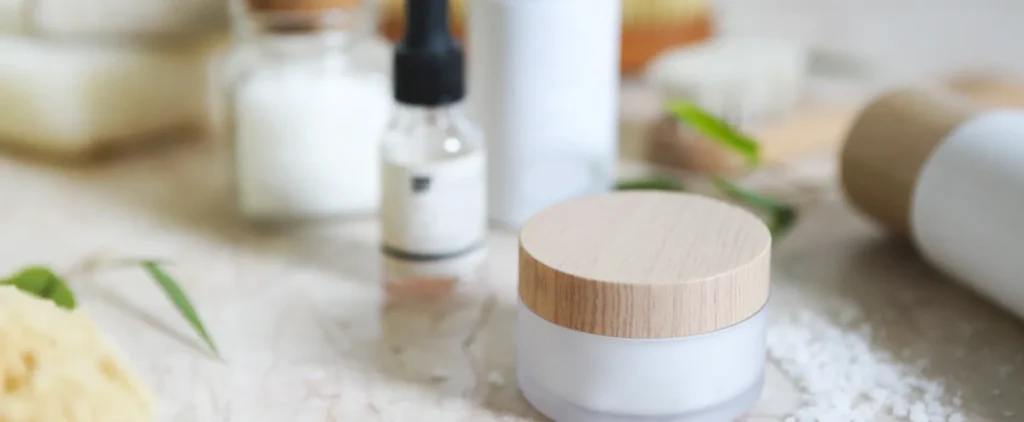
Goat milk works across diverse cosmetic and personal care categories, including:
- Facial and body creams and lotions for deep hydration
- Cleansing bars and liquid washes for gentle daily use
- Exfoliating masks and scrubs leveraging natural lactic acid
- Anti-aging serums and overnight treatments enriched with peptides and vitamins
- Hair and scalp masks to support moisture retention and shine
This formulation versatility allows brands to expand product lines while maintaining a cohesive hero-ingredient story.
What to Look for When Sourcing Goat Milk for Cosmetics
Choosing the right supplier matters. Here’s what to look for:
- Ingredient form: All of our goat milk offerings are powders, which can be rehydrated for fluid or emulsion-based applications.
- Microbial safety: Each lot is tested for microbial safety and provided with a certificate of analysis to support your compliance process.
- Processing method: All powders are spray-dried for quality, solubility, and shelf life.
- Traceability and quality assurance: Partner with suppliers who provide batch-level transparency and consistency.
- Sustainability commitments: When relevant, communicate your ingredient sourcing story to reinforce brand values.
Unlocking Market Differentiation
In an increasingly competitive beauty market, ingredients that combine science, efficacy, and storytelling are the key to standing out. Goat milk offers:
- Performance: Proven hydration, barrier support, and gentle exfoliation
- Marketable Story: Natural, multifunctional, and low-allergen
- Trend Alignment: Clean label, sensitive-skin, and sustainability
By following best practices and leveraging goat milk’s proven benefits, cosmetic brands can differentiate their products and capture consumer trust in the evolving clean beauty space.
Partner with The Milky Whey
At The Milky Whey, we provide premium goat milk ingredients designed for cosmetic and personal care applications. Our ingredients are spray-dried, carefully tested, and ready to support your next hero product.
Interested in bringing the next generation of clean, effective beauty products to market? Visit our Goat Milk Protein Powders page or reach out via our contact page to start your formulation journey.